
Specialist cardiac imaging,
focused on your care.
Providing accessible, hospital grade echocardiograms in a professional and welcoming community environment.
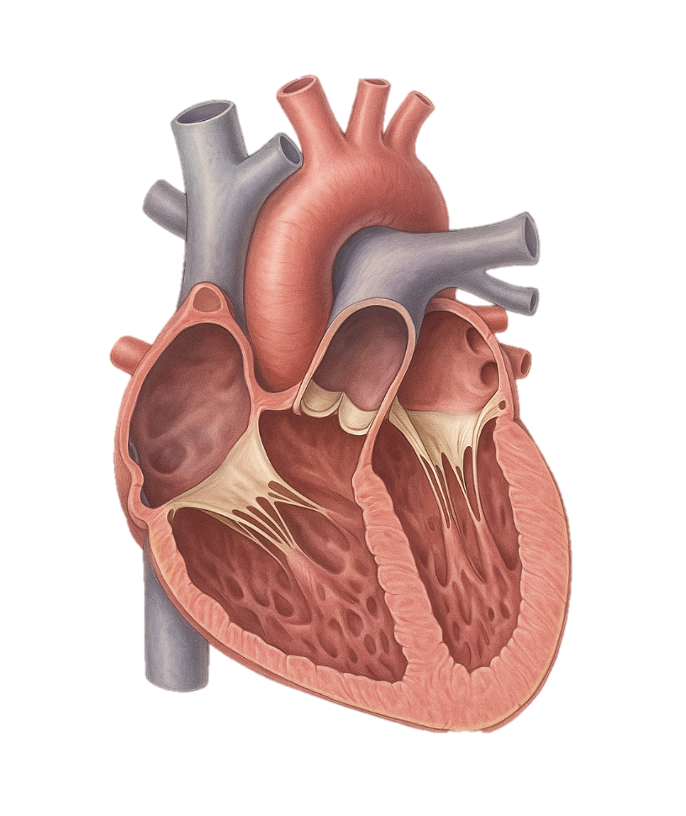
What to Expect
An echocardiogram is a safe, non-invasive ultrasound test that uses sound waves (no radiation) to assess the structure and function of your heart.
Simple Preparation
Wear comfortable clothing. You can eat, drink, and take medications as normal before your scan.
40 Minute Appointment
The procedure is painless and non-invasive, typically taking approximately 40 minutes.
Advanced Technology
We utilise premium ultrasound technology to ensure the highest level of diagnostic precision.
Expert Clinicians
Scans are performed by hospital-experienced sonographers and reported by cardiologists.
Fast Results
A comprehensive report is delivered to your referring GP or specialist within 24 hours.
Your Referral
A valid referral from your GP or specialist is required to be presented for your appointment.
Bulk Billed Service
We believe high quality cardiac care should be accessible. For all eligible patients with a valid referral, our echocardiogram services are fully bulk billed.
No out of pocket costs
Fast appointment times
Ready to book your appointment? Choose a location and time that suits you.
Book Your Scan Online